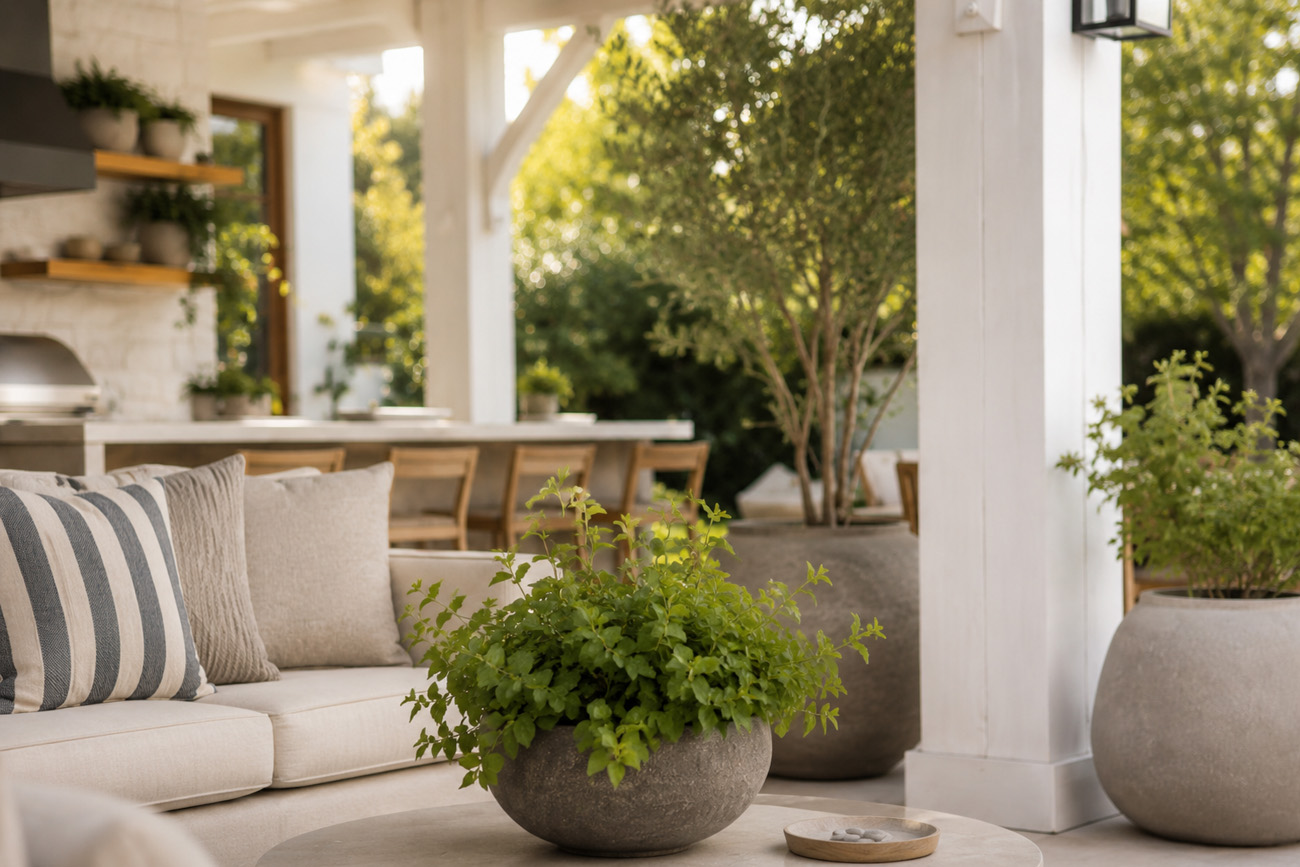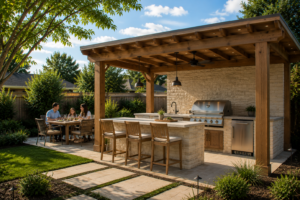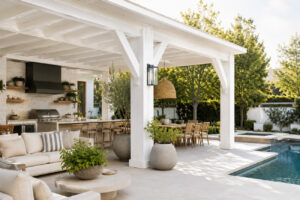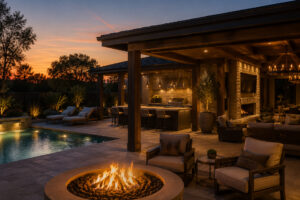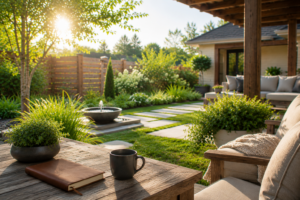


An outdoor living project has the power to completely change how a home feels. It becomes the place where mornings start slower, dinners last longer, and weekends feel more connected.
But creating a space that truly works takes more than choosing beautiful materials or adding a grill and seating area. The best outdoor spaces are carefully planned around how people actually live, entertain, cook, relax, and move through the space every day.
Over the years, we’ve seen that the difference between a space that looks good and a space that gets used constantly often comes down to avoiding a few common planning mistakes.
Here are some of the biggest ones homeowners should think about before starting an outdoor living project.
1. Designing for Looks Instead of Lifestyle
One of the most common mistakes is focusing only on appearance without thinking about how the space will actually function.
A beautiful outdoor kitchen may look impressive, but if there’s nowhere comfortable to gather nearby, people won’t stay long. A large lounge area may photograph well, but if it gets too much afternoon sun, it may rarely get used.
The best outdoor spaces are designed around real habits and routines.
Think about:
- How you like to entertain
- Whether you cook outdoors often
- If you prefer quiet evenings or larger gatherings
- How many people typically use the space
- Whether children or pets will be part of the environment
- How the space feels during different times of day
When the design supports everyday life, the space naturally becomes part of the home instead of something only used occasionally.
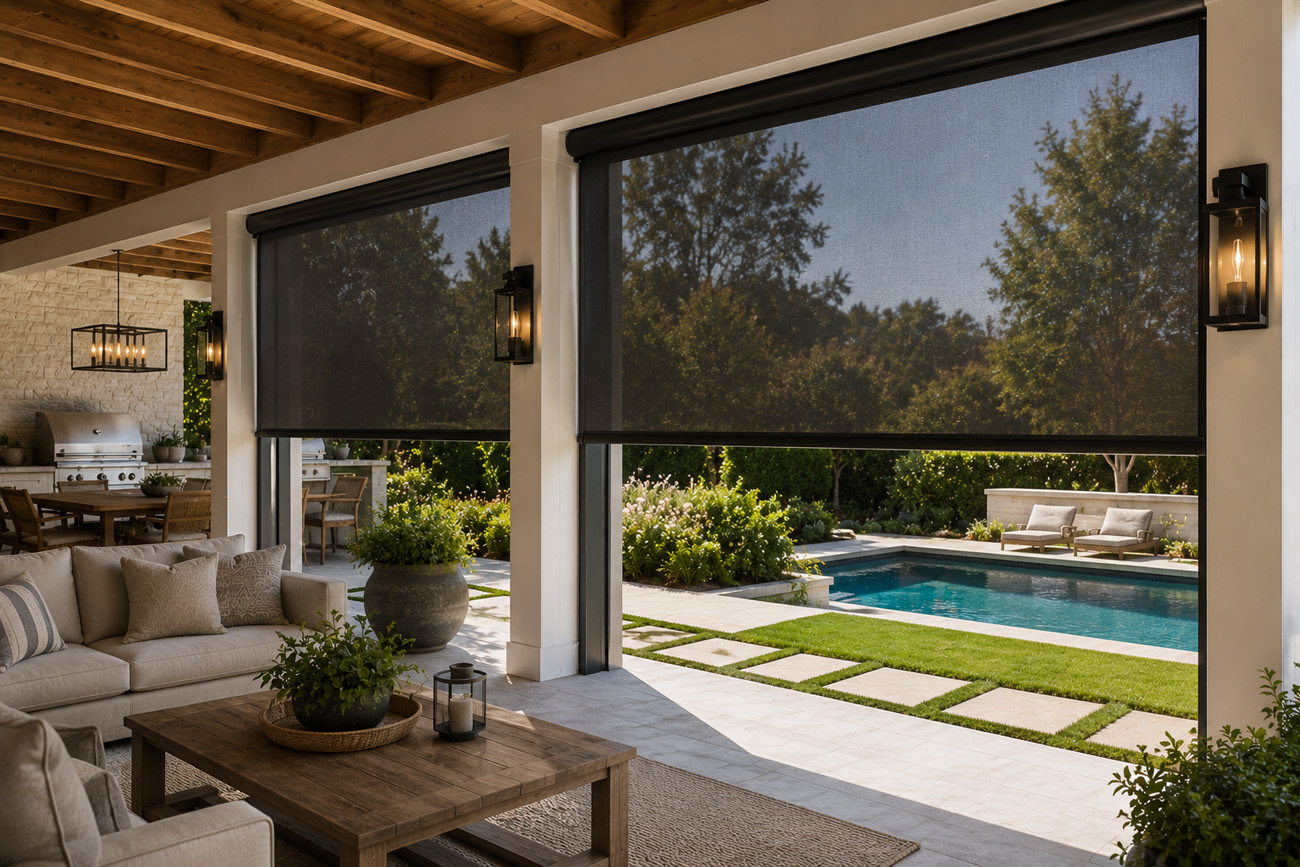
2. Underestimating the Importance of Shade and Weather Protection
Many homeowners focus on the layout first and only think about shade later.
In reality, comfort is what determines whether an outdoor space gets used consistently.
Without proper coverage, even the most beautiful patio can become too hot during summer afternoons or uncomfortable during light rain.
Features that dramatically improve year-round usability include:
- Covered pavilions
- Pergolas with adjustable shade systems
- Integrated heaters
- Ceiling fans
- Retractable screens
- Outdoor fireplaces
- Weather-resistant furnishings and fabrics
Especially in California, a well-designed covered structure can extend outdoor living across nearly every season.
3. Not Planning Enough Lighting
Lighting changes everything after sunset.
Many outdoor projects include only basic overhead fixtures, leaving the space flat or overly bright at night. Layered lighting creates atmosphere, warmth, and functionality.
The most inviting outdoor environments usually combine:
- Soft ambient lighting
- Accent lighting on architectural details
- Pathway lighting
- Under-counter lighting
- Fireplace glow
- Decorative pendants or chandeliers
Good lighting should make the space feel comfortable, relaxed, and easy to enjoy long after the sun goes down.
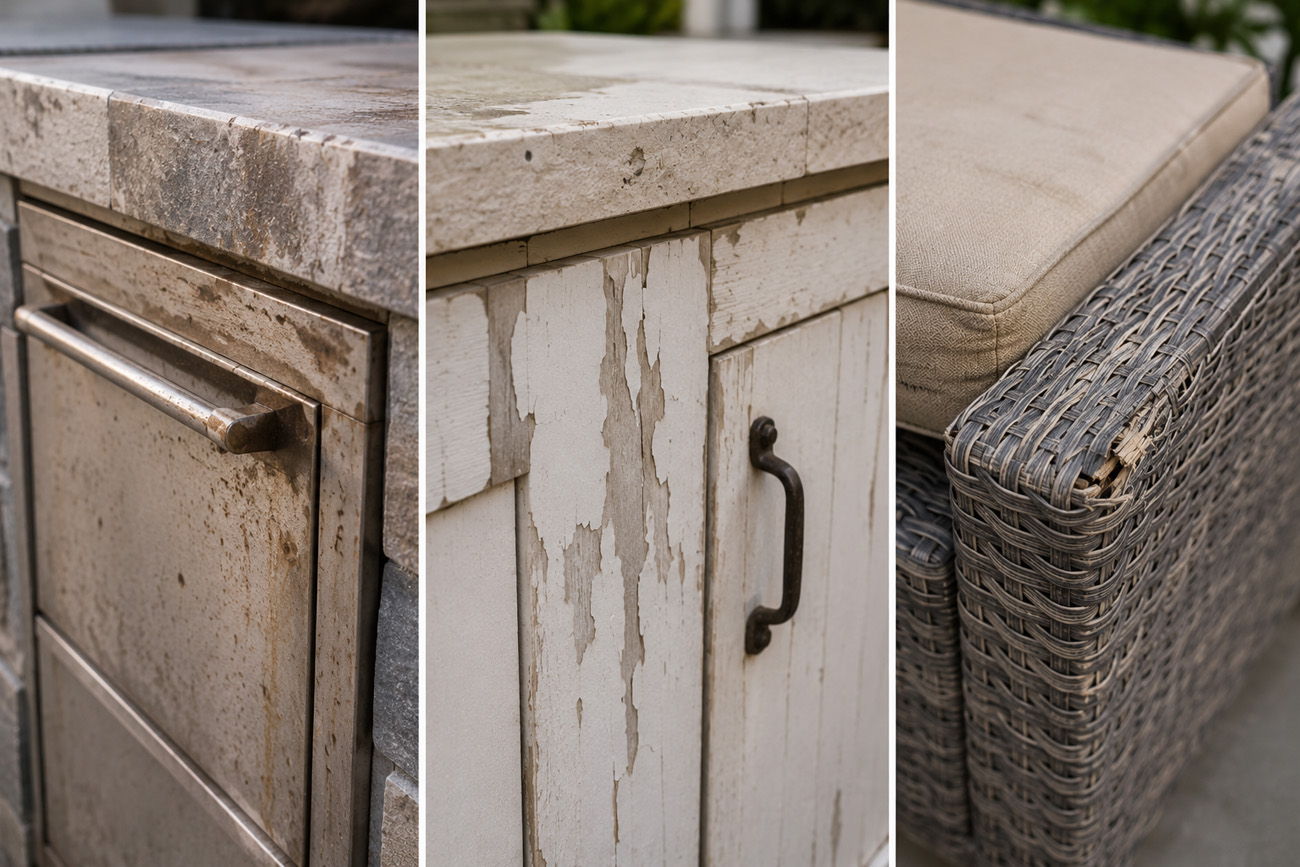
4. Choosing Materials That Don’t Age Well Outdoors
Outdoor environments are constantly exposed to sun, moisture, temperature changes, and heavy use.
Selecting materials based only on appearance can lead to fading, cracking, staining, or high maintenance later on.
A successful outdoor living project balances beauty with durability.
Smart material choices often include:
- Natural stone
- High-quality outdoor cabinetry
- Durable porcelain or concrete surfaces
- Powder-coated metals
- Performance fabrics
- Hardwood or composite finishes designed for exterior use
Quality materials not only last longer — they also help the entire project maintain its luxury feel over time.
5. Forgetting About Flow and Movement
Outdoor spaces should feel natural to move through.
One common mistake is placing features without thinking about circulation between cooking, dining, lounging, and pool areas.
For example:
- Guests shouldn’t walk through the cooking zone constantly
- Seating should feel connected to conversation areas
- Dining spaces should have easy access to the kitchen
- Walkways should feel intuitive and open
The most successful outdoor spaces feel effortless because every area works together naturally.
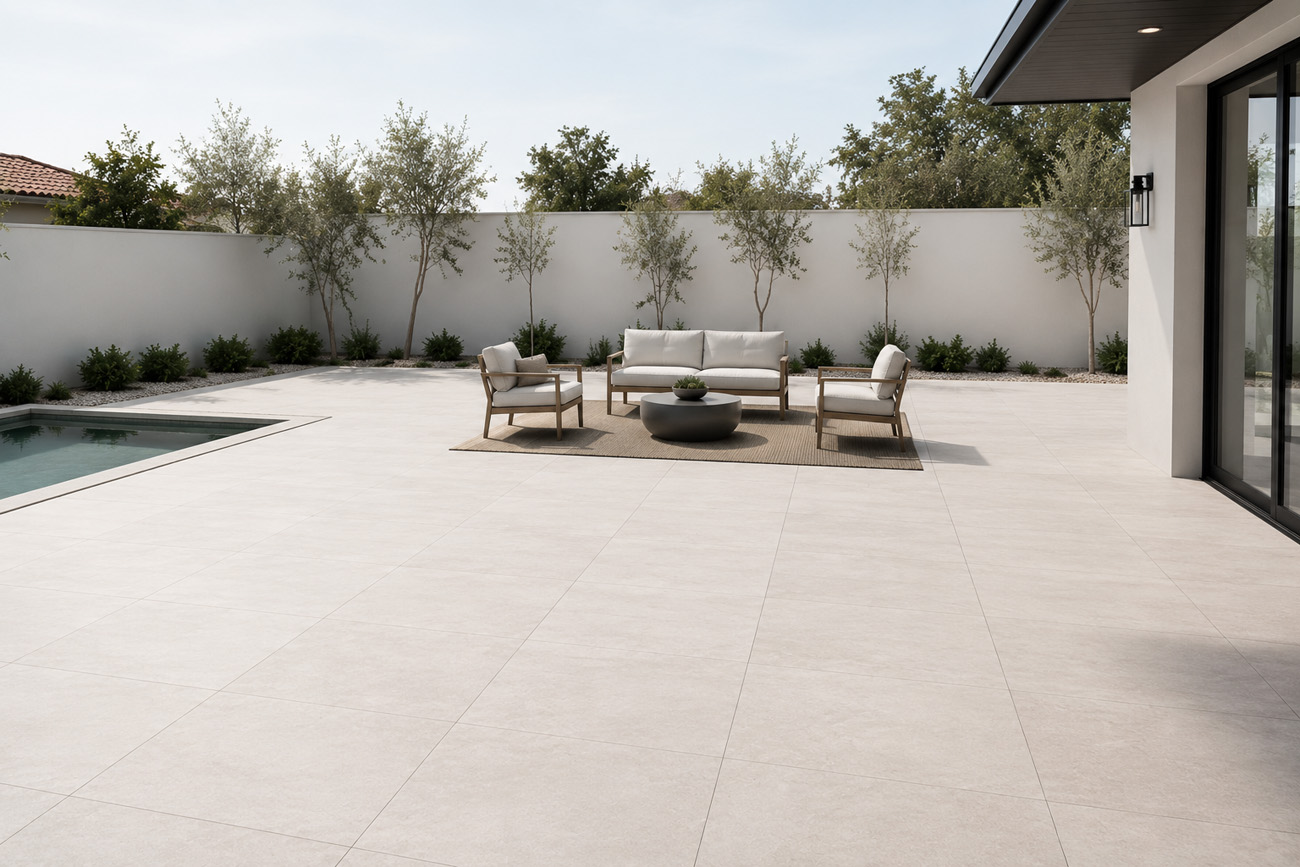
6. Making the Space Too Large or Too Empty
Bigger isn’t always better.
Large outdoor areas without enough warmth, texture, or defined gathering zones can feel cold and disconnected.
Sometimes a smaller, thoughtfully designed space feels significantly more luxurious and inviting than a huge open patio.
The key is balance:
- Comfortable seating arrangements
- Defined zones
- Layered textures
- Greenery and landscaping
- Fire features
- Lighting and architectural detail
People are naturally drawn to spaces that feel intimate and comfortable.
7. Treating Outdoor Living as Separate From the Home
The best outdoor living projects feel like a natural extension of the home itself.
When materials, colors, ceiling details, lighting, and overall design language connect with the architecture of the house, the outdoor space feels intentional and cohesive.
This creates a smoother indoor-outdoor transition and makes the entire property feel larger and more connected.
Final Thoughts
A successful outdoor living project is not just about adding features — it’s about creating a space people genuinely want to spend time in.
The best designs combine comfort, functionality, atmosphere, and thoughtful planning to create an environment that feels effortless to enjoy every day.
When done properly, outdoor living becomes more than a backyard upgrade. It becomes part of the lifestyle of the home itself.