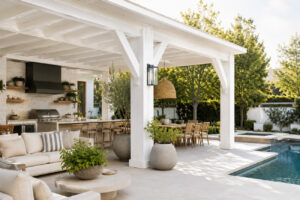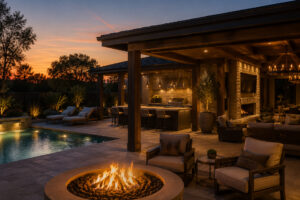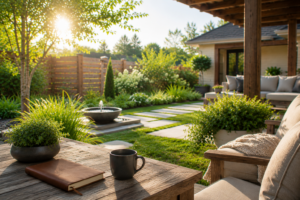


There’s a reason people naturally gather outside. Whether it’s sitting by a fire pit at sunset, sharing dinner under a covered pavilion, or simply relaxing near water, outdoor environments have a measurable effect on how we feel, think, and interact with others.
Well-designed outdoor spaces do more than add visual beauty to a home. They reduce stress, improve mood, encourage social connection, and create environments where people genuinely want to spend time.
Modern outdoor living is not just about architecture or landscaping anymore – it’s about how spaces influence human behavior and well-being.
Why Outdoor Spaces Affect Us So Strongly
Humans are biologically wired to respond positively to natural environments.
Research in environmental psychology has consistently shown that exposure to nature can:
- Lower cortisol levels (the body’s primary stress hormone)
- Reduce mental fatigue
- Improve mood and focus
- Support better sleep
- Encourage more meaningful social interaction
A well-known study published by researchers at the University of Michigan found that even brief exposure to natural environments can improve memory performance and cognitive function.
Another study from Stanford University showed that spending time in natural outdoor settings may reduce repetitive negative thinking patterns associated with stress and anxiety.
The effect is not imagined. Outdoor environments genuinely change how the brain and body respond.

Outdoor Living Slows People Down
Inside the home, people are often surrounded by screens, notifications, artificial lighting, and constant stimulation.
Outdoor spaces naturally create the opposite effect.
The combination of:
- Natural light
- Fresh air
- Open space
- Fire features
- Water movement
- Softer sound environments
helps create a slower, calmer atmosphere.
This is one reason outdoor living areas often become the emotional center of a home. People tend to stay longer, talk more, and feel more relaxed outdoors without even realizing why.
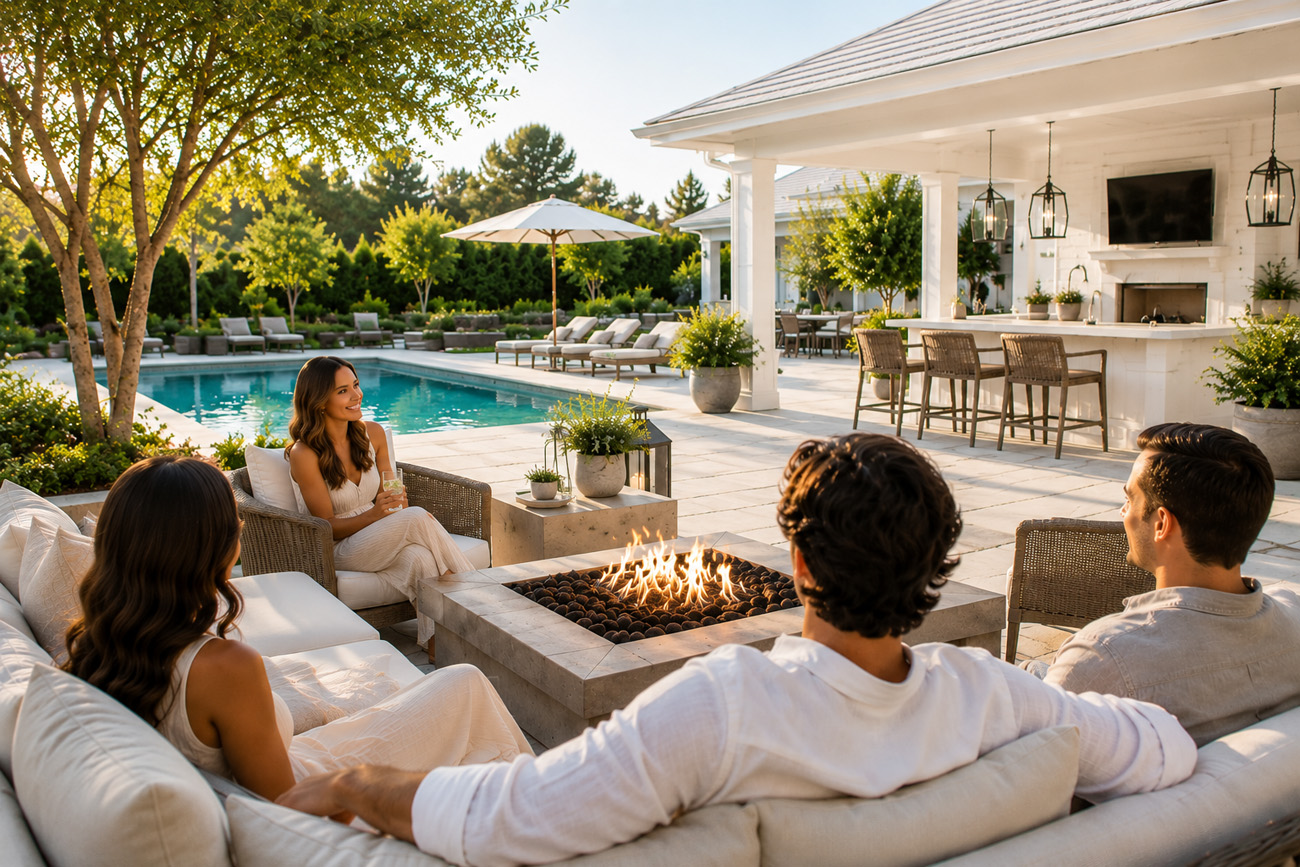
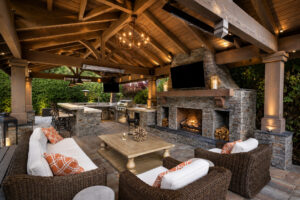
Fire Features Create Natural Human Connection
There’s a reason people instinctively gather around fire.
Psychologists and anthropologists have long studied the calming effect of firelight. Research has suggested that watching fire can lower blood pressure and encourage relaxation.
Fire pits and outdoor fireplaces also naturally change social behavior:
- People face each other more directly
- Conversations become longer and slower
- Phones tend to disappear
- Guests stay outside later into the evening
A simple fire feature often becomes the space people remember most.
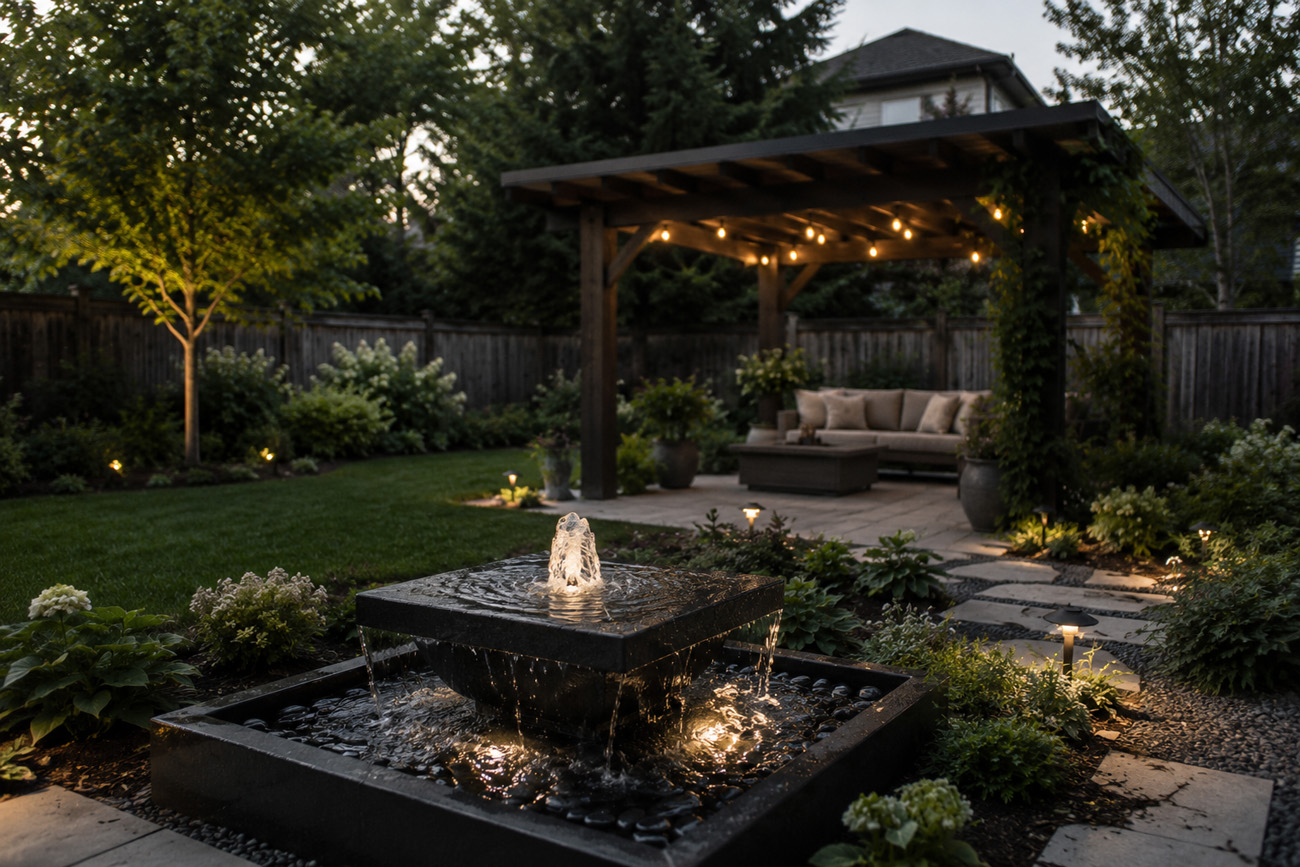
Water Creates a Psychological Sense of Calm
Pools, fountains, and water features influence mood in subtle but powerful ways.
Moving water creates:
- Soft ambient sound
- Visual movement
- Reduced perception of outside noise
- A calming sensory effect
This is one reason luxury resorts almost always integrate water into outdoor design.
Even small water elements can make outdoor spaces feel more peaceful and restorative.
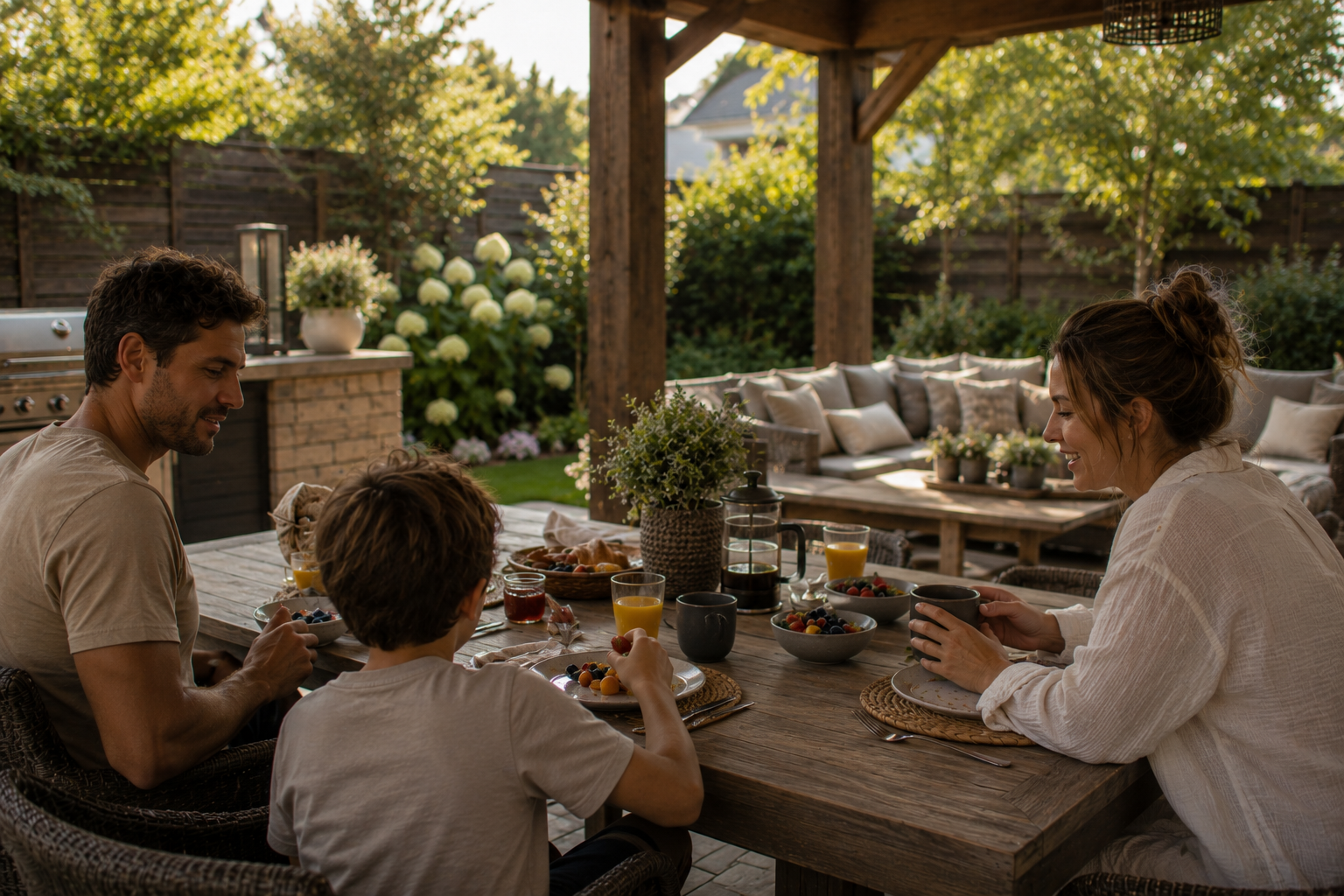
Comfortable Outdoor Spaces Encourage Better Relationships
The design of a space directly affects how people interact inside it.
Large empty patios with limited seating often feel cold and underused.
But spaces designed around comfort and conversation naturally encourage connection.
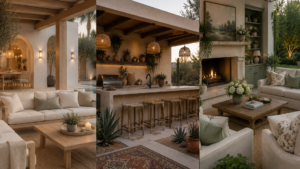
Features That Improve Social Interaction:
- Circular seating arrangements
- Softer lighting
- Multiple gathering areas
- Comfortable cushions and lounge furniture
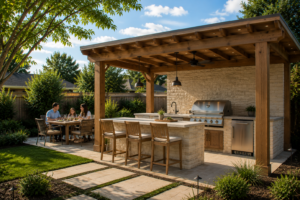
- Dining areas integrated with cooking spaces
- Covered pavilions that feel intimate rather than exposed
People rarely remember the exact furniture layout of an outdoor space.
They remember how the space made them feel.
Lighting Shapes Emotion More Than Most People Realize
Lighting has a major psychological effect on mood.
Bright overhead lighting tends to feel stimulating and commercial.
Warm layered lighting feels calmer, more inviting, and more personal.
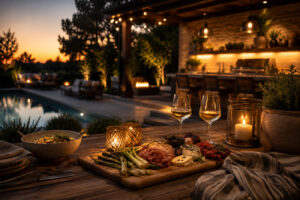
The Most Effective Outdoor Lighting Usually Includes:
- Warm pendant lighting
- Lanterns and candles
- Landscape lighting
- Under-counter kitchen lighting
- Fireplace glow
- Pool lighting with softer tones
The goal is not brightness.
The goal is atmosphere.

Outdoor Spaces Increase How Often Homes Are Actually Used
One of the biggest shifts in modern home design is that outdoor spaces are no longer treated as occasional-use areas.
When designed properly, outdoor living becomes part of everyday life.
Families use outdoor spaces for:
- Morning coffee
- Remote work
- Family dinners
- Entertaining friends
- Watching sports outdoors
- Relaxing after work
- Weekend gatherings
This is why functionality matters just as much as aesthetics. Beautiful outdoor spaces only work long-term if they are comfortable and practical enough to use consistently.
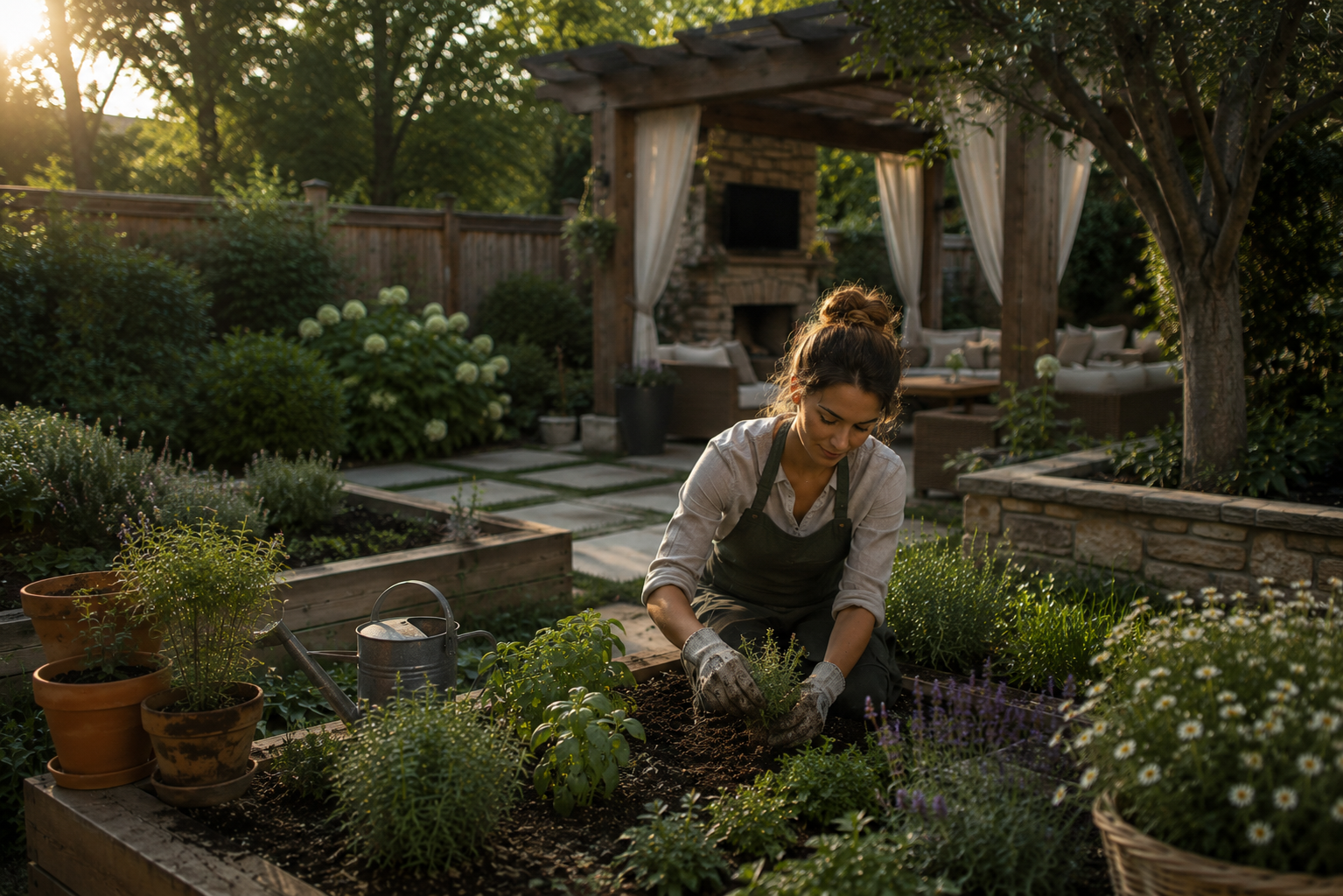
Gardening or Caring for Plants
Gardening is strongly associated with reduced stress and improved mental well-being.
Benefits may include:
- Reduced anxiety
- Improved focus
- Sense of accomplishment
- More mindfulness
Even simple activities like watering plants or trimming herbs can feel mentally grounding.
What Makes an Outdoor Space Feel Good?
The best outdoor environments usually share several key elements:
1. Comfort
People stay where they feel physically comfortable.
Include:
- Cushioned seating
- Shade structures
- Heaters or fireplaces
- Ceiling fans
- Weather-resistant fabrics
2. Human-Scale Layouts
Oversized empty patios often feel disconnected.
Break outdoor spaces into smaller gathering zones:
- Dining
- Lounging
- Poolside relaxation
- Fire pit seating
- Outdoor kitchen areas
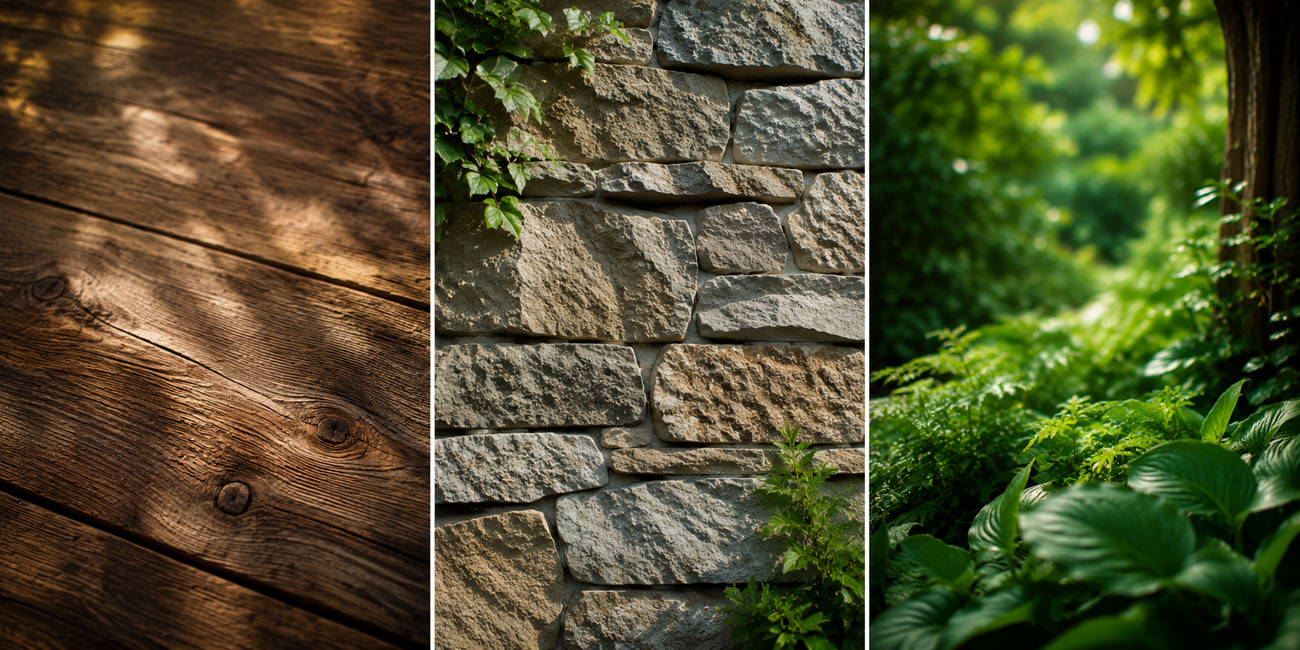
3. Natural Materials
Wood, stone, greenery, and textured materials create warmth that feels psychologically grounding. Overly cold or artificial materials can make outdoor spaces feel less inviting.
4. Layered Lighting
Soft layered lighting creates depth and emotional warmth after sunset. Avoid harsh flood-style lighting whenever possible.
5. Flexibility
The best outdoor spaces adapt easily to:
- Small family evenings
- Larger social gatherings
- Different seasons
- Daytime and nighttime use
Retractable screens, covered structures, outdoor heaters, and integrated lighting all extend how often the space gets used.
Outdoor Living Is About More Than Design
At its core, great outdoor living is not really about patios, furniture, or luxury features.
It’s about creating environments that support:
- Relaxation
- Connection
- Conversation
- Slower moments
- Better quality time
That’s why thoughtfully designed outdoor spaces have such a lasting impact on how people live.
Because when people feel better in a space, they naturally want to spend more time there.
Important Nuance: Outdoor Spaces Are Not a “Cure”
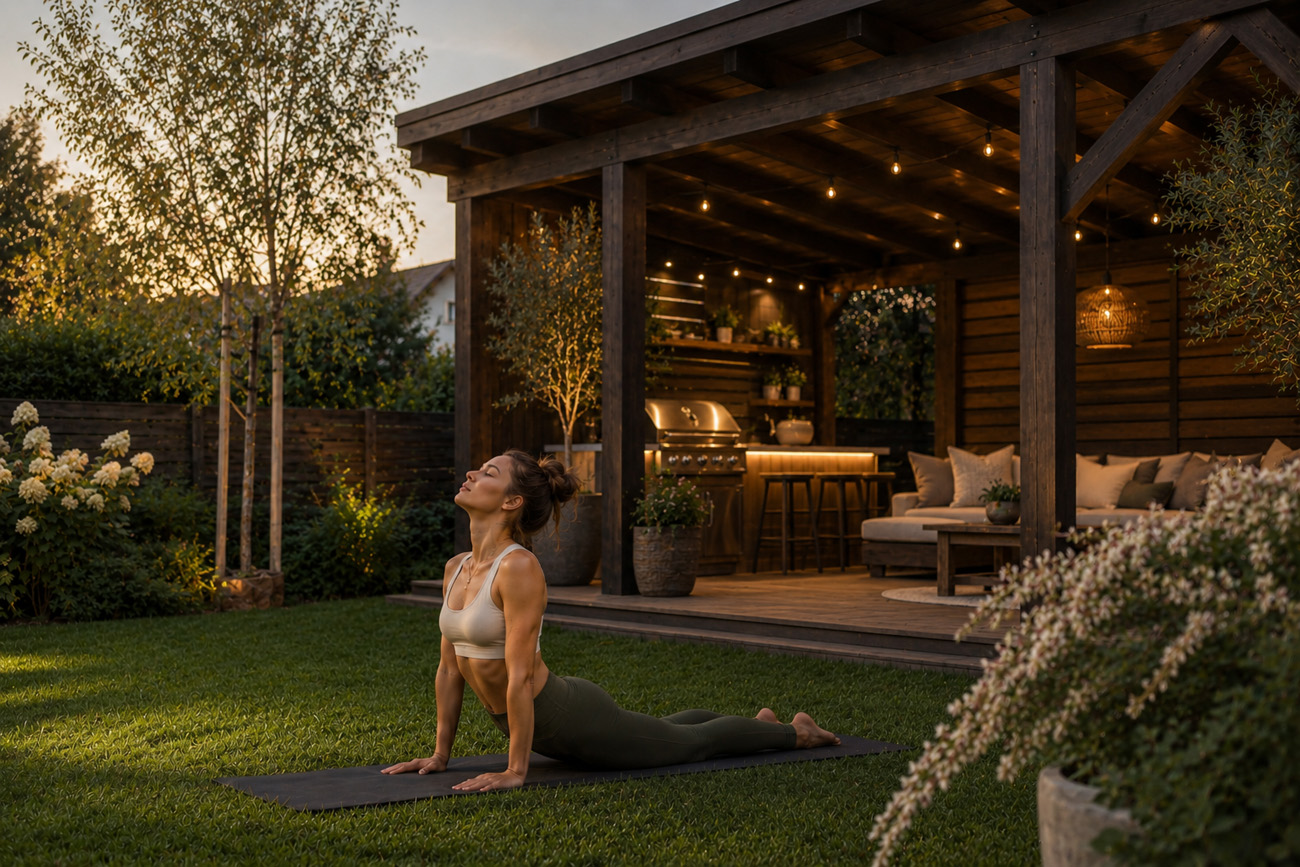
Many researchers now believe the benefit is not from one single thing. It’s the combination of:
- Nature
- Movement
- Social connection and Healthy Relationships
- Light exposure
- Quality Food
- Reduced stress
- Mindfulness
- Sensory calm
Outdoor living naturally brings many of these together in one environment.
That’s likely why people consistently describe well-designed outdoor spaces as places where they feel calmer, happier, and more emotionally restored.